By Evan Le’Mon, The Whetstone
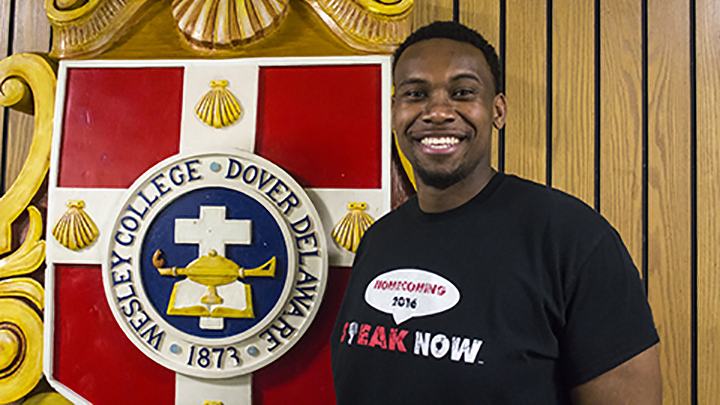
Senior Kevin Johnson said he didn’t expect to be a student leader his freshman year, he just wanted to start a spoken word club.
“With the help of some student leaders I looked up to at the time, I started SPEAK to provide people with safe spaces of self-expression, and in the process of doing so I started participating more in other things on campus,†he said.
Most student leaders at Wesley College have similar stories of how they got started. However, as they approach the end of their time at the school, many worry about the fate of their organizations once they’re gone.
“I hope that SPEAK continues, because it’s brought a lot here,†Johnson said. “Hopefully we can find younger students who have enough interest to take over and keep it going.â€
Finding such students, however, has been a challenge for many organizations.
Teledelase Ogundipe, senior and president of the African Student Association (ASA) and Multicultural Student Union (MSU), said her organizations are no exception.
“You might get a few people who understand and are interested, but it’s not enough to fill an exec board,†she said. “A lot of people aren’t willing to step up and take that position.â€
Former Student Government Association (SGA) adviser Dr. Cynthia Newton said the difficulties of student leadership might be the reason students aren’t getting involved.
“It’s a lot of work, particularly to do on a volunteer basis,†she said. “But it’s also very rewarding.â€
Newton said the process for putting on events could be disheartening to prospective student leaders.
“The process changes all the time and the changes aren’t communicated to the people who need to know them,†she said. “I’ve seen the rules change two or three times a year before.â€
Johnson referenced Wesley’s low freshman retention rate (51 percent as of 2015 compared to the national average of 69.6 percent for private liberal arts colleges) as evidence that some student leaders simply won’t be able to find successors.
Senior Eukaria Asamoah said there were much more events on campus during her freshman year.
“Part of that is probably due to things like budget cuts and other issues, but I just remember when I was a freshman there was a lot more to do,†she said.
Senior and SGA President Destiny Hollis said that she wishes the administration saw the issues the way student leaders do.
“Maybe if student leaders created a survey of things that administration should know and the student body filled it out, it would give them a more realistic view of what a Wesley student is,†she said.
Newton said that students’ perspective is important, and the administration must realize that students “actually deserve a seat at the table.â€
“They should treat it like when they make changes to the faculty handbook – do it once a year, and get input from the people involved on what’s working and what’s not,†she said. “They have to realize that colleges aren’t supposed to be hierarchal organizations where all the decisions are made from the top down.â€
On the other hand, Director of Campus Life and Student Activities Board advisor Carol King believes the administration have the same vision for helping student leaders.
“Would I like to see more of that support? Absolutely,†she said. “Would I like to see it more consistently? Absolutely. But I believe that it’s there.â€
Hollis said there is a certain amount of apathy within the general student body at Wesley.
“Students here expect the fun to already be there for them instead of being willing to make the fun themselves,†she said. “After this round of student leaders graduate, it’s going to be difficult for Wesley because the younger students aren’t as involved.â€
Senior Francis Quartey said that younger students need to step up more.
“I don’t know if they’re not mature enough, or just afraid,†he said. “When you think about the level of participation from my freshman class compared to these freshman and sophomores, it’s totally different.â€
King said some student leaders can be their own downfall.
“A lot of leaders don’t have the support that they should from their executive boards because they’re so used to doing so many things,†she said. “They get so engrossed in just constantly giving and trying to get things done that they forget that they have help available.â€
King also said that student leaders should open up more lines of communication between them and their faculty advisers.
“Don’t just shove the forms in their faces and ask them to sign off,†she said. “Have real conversations with them. Tell them what you need, and you never know what they’ll have to offer. Then, that’ll influence your fellow student leaders who don’t have that open line of communication with their advisors to pursue one.â€
SAB President Korey Edmonds said the success of the current student leaders should inspire the underclassmen.
“We as current student leaders have to continue making a platform for them,†he said. “But at the same time, we’re trying to get out of here. We’re students first, leaders second.â€
Newton said students have the power to be the change they want to see.
“You have the opportunity to really drive that bus, and that’s often a rare thing,†she said. “Think about the power that you have when you make the party instead of just walking into it.â€
Hollis believes the rewards of student leadership outweigh the hardships.
“It is challenging, and you do face a lot of obstacles, but they help you grow,†she said. “It’s more than just a title – it’s the hard work, the stress, the tears and the smiles.â€